All posts by GVMEcology Admin

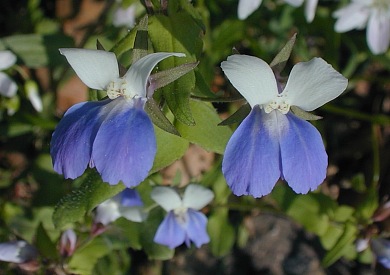
Early Blue-eyed Mary Spotted

Blue-eyed Mary

3/3/2010 Jim E. emailed what may be the first flower blooming in GVM this year, thanks Jim!! He wrote:  “Collinsia parviflora, spotted today as I sat on my granite bench, leaning up against the granite cliff-face west of my house.

My eye first caught the bright green of a moss, likely Tortula ruralis. But then the extremely tiny bloom of the above, the basal leaves tinged in purple, unmistakable. Weber and Wittmann (2001) say “Very common but inconspicuous and delicate annual, blossoming very early at low altitudes. … Leaves usually strongly purplish-tinged.
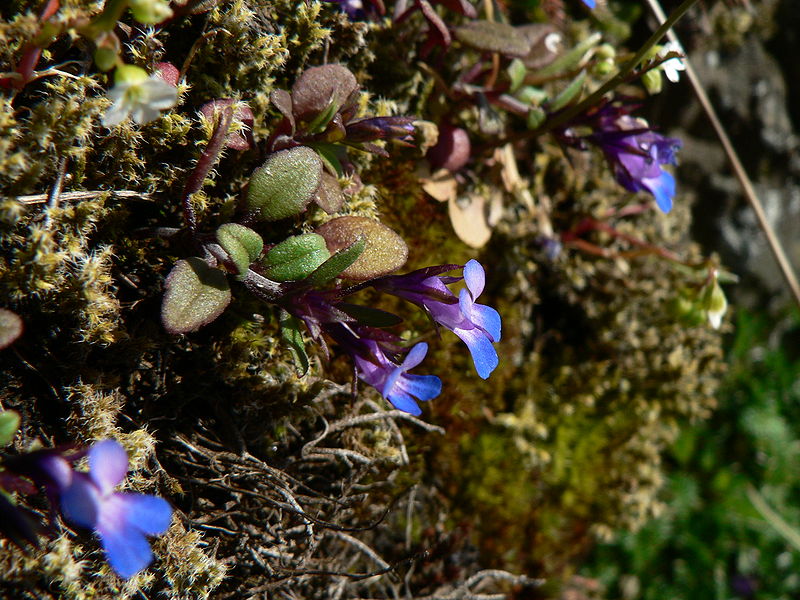
Another Blue-eyed Mary image, click to enlarge

I’d say that March 3rd IS an early bloom! You may recall that we displayed same at GVM’s Annual Meeting last June. That, along with an array of shrubs, mostly in the Rose Family, that were in bloom then. Possibly a note in your EcoBlog. In the Figwort Family, along with Indian Paintbrush and the many Beard-tongues (Penstemon).”
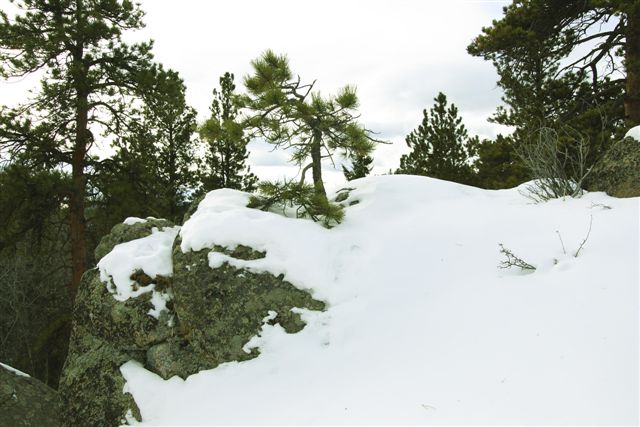
Juniper stump dates to 1608!

1/19/2010 Jim E. forwarded an email from Laurie Huckaby, tree-ring and fire-history specialist from with the USDA Forest Service’s Research Center in Fort Collins. Laurie wrote about the analysis of a charred juniper stump collected within a GVM greenbelt. Laurie said: “I did manage to date the section that we cut from that stump that John [Popp, Forestry Technician, USDA Forest Service] pulled up last summer. It was a Rocky Mountain juniper, and the pith date was 1608 AD. Not the oldest juniper I’ve found in the area, but definitely one of the older ones. The outside date was 1854, and I think that was pretty close to the death date. Juniper tends to burn up in fires and not make scars, but this one actually had scars from fires in 1685, 1696, and 1735. All of those were widespread fire years in the area.”

Jeff’s January Photos from Crellin Trail Hike

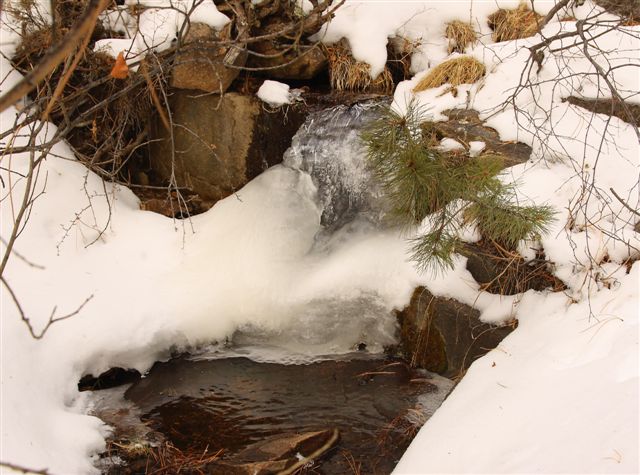
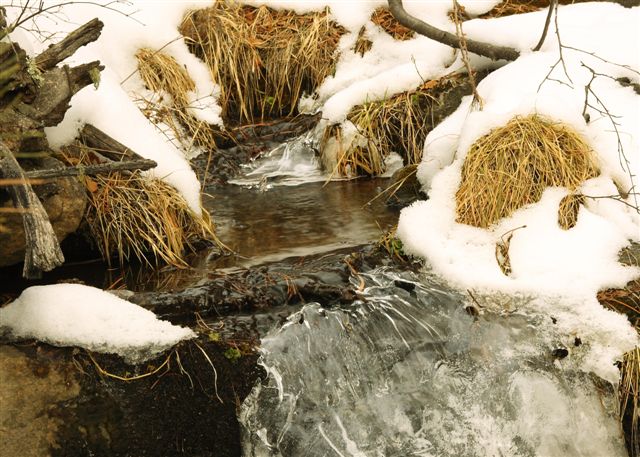
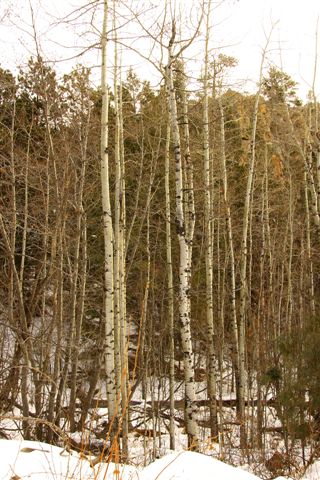
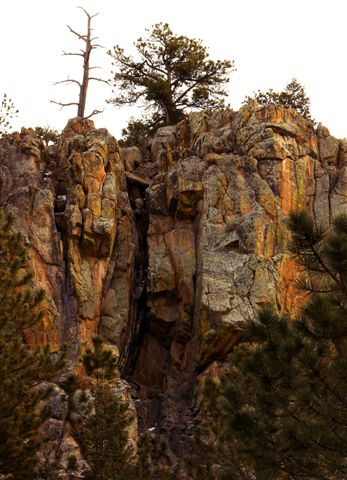
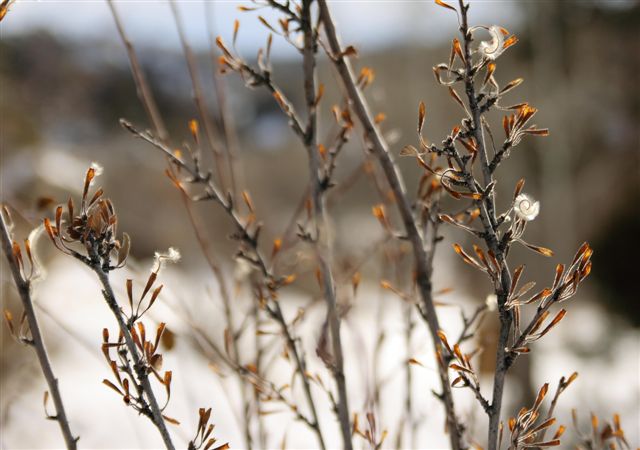
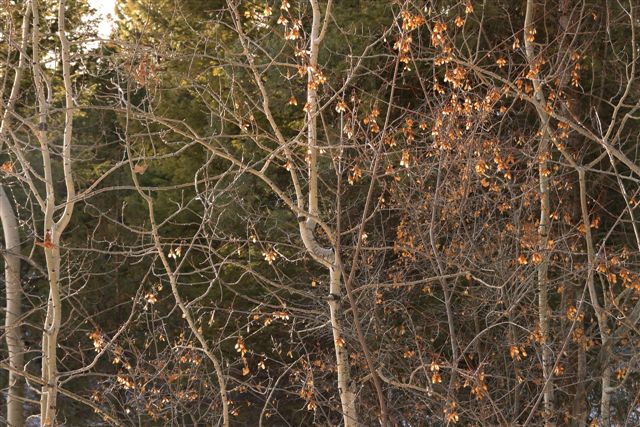
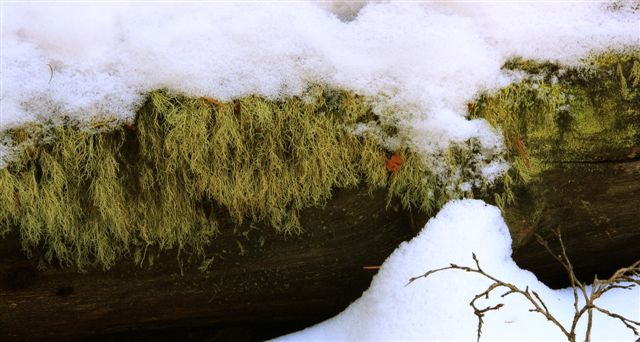
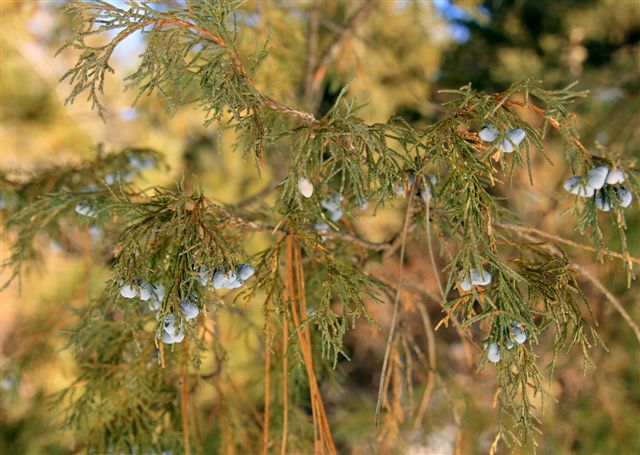
I got this email from Jeff G on 1/2/2010, what great way to start our new year! Jeff wrote: “A winter hike down the Crellin Trail can be as interesting and beautiful as taking the stroll in summer or spring. I tend to notice very different things as the colors are more subdued, the leaves from the aspen trees are long gone, and some of the finer aspects of nature come in to focus. I don’t know what many of the things I see even are but enjoy looking just the same. These photos were taken today, January 2nd, 2010. Maybe you will see new sights as well when viewing these pics.”

GVM area fire history updates

Jim Erdman forwarded an email exchange he had with Laurie Huckaby (USFS specialist in the fire history of this region — her passion, tree rings)
On 11/02/2009 Laurie wrote: “The last widespread fire in the Kelly Flats area was actually in the fall of 1871….I pick up the 1871 fire date in Young’s Gulch as well. There was a more localized event in 1880, a date that shows up at Gateway Park, too. The important thing to note about the historical fire regime is that although you could say there was a fire in any given location every 30 to 60 years, many of those fires were very localized, and fire frequency and intensity were not consistent through time. The late 1700s-early 1800s were a cold, wet period with reduced fire frequency; the mid-1800s were warm and dry, with more frequent fire that coincided with the settlement of this area. Direct fire suppression was not all that effective in your area [GVM] until the 1940s and 1950s, but heavy grazing in the late 1800s-early 1900s effectively stopped fire spread during that period. As for the oldest ponderosa pines, there are several living ones that date into the 1300s not too far from you. There is one on the Shambala Mountain Center property (near Red Feather Lakes)  that dates to 1321, and one on the north rim at Pingree Hill that dates to 1336. Go to Peter Brown’s OLDLIST website  to see a list of old trees submitted by tree-ring scientists. I finally got a chance to cut that stump John [Popp] and I collected. It is a Rocky Mountain Juniper! I didn’t expect that. It has no fire scars but lots of rings. Hopefully I’ll get a chance to date it in the next couple of weeks. I’ll let you know when I do.”

11/2/2009 Part of Jim Erdman’s email response: “…Dating that juniper in what you’d called “a pretty interesting place” — the Mount Peale green belt — may help with that charred ponderosa stump nearby. I cored a close-by, very young ponderosa established since the burn, and you dated the pith at only 1930! The site by Iron Mountain Drive lies in a very mesic spot where I’m sure snow accumulates.”